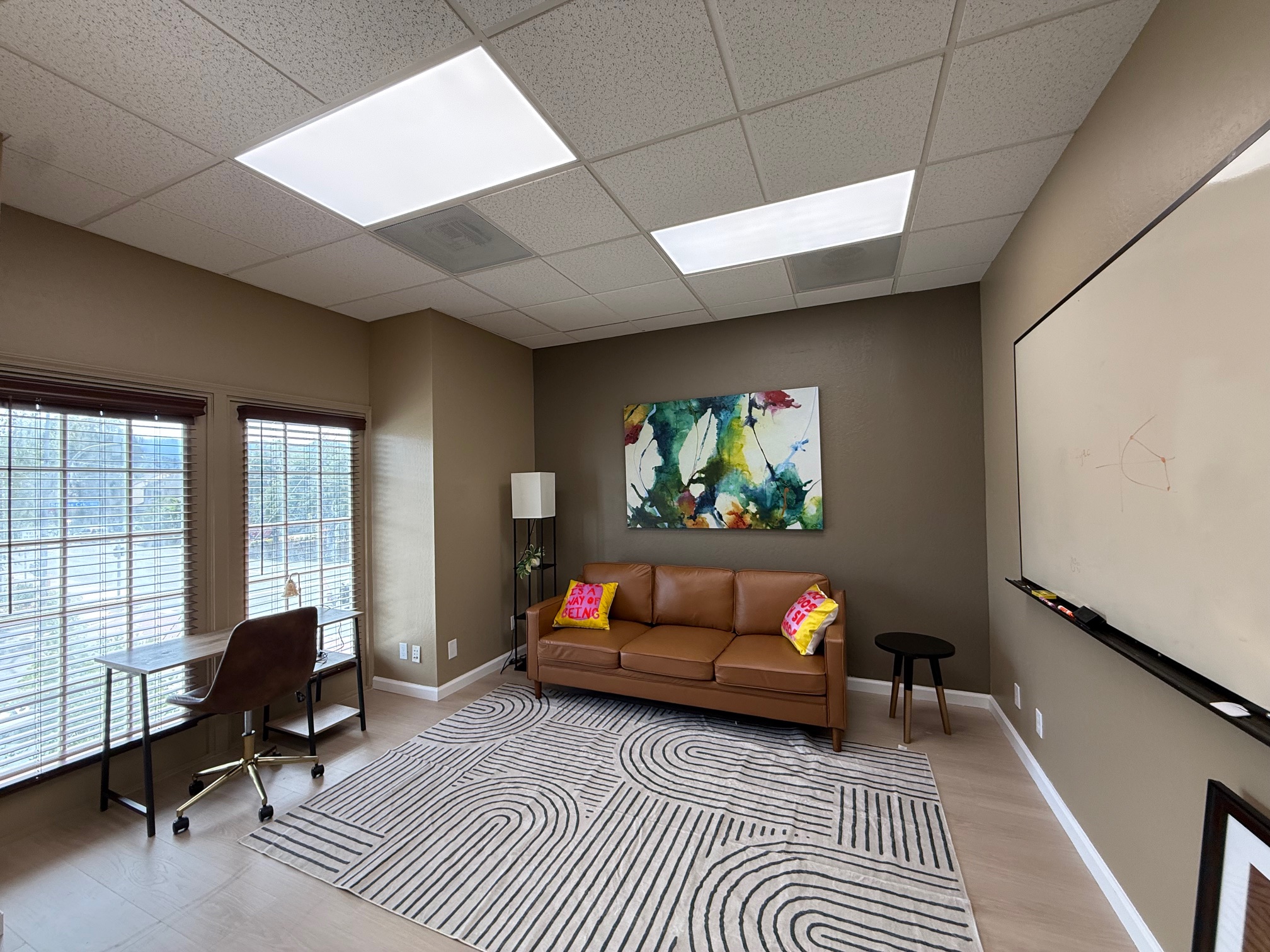
EUDA Heal Hub: A Private Therapy Office Space in Cupertino
Why I Built EUDA Heal Hub: Creating the Private Therapy Office Space in Cupertino I Couldn’t Find for My Own Practice
Eight years into running Growing Minds Mental Health Services as a psychiatrist in Cupertino, I kept having the same conversation with colleague after colleague. Where do you see clients? Are you happy with the space? Would you leave if you had another option? Almost no one said yes to the last question. So at a certain point, I stopped waiting for someone else to build the private therapy office space in Cupertino that my colleagues and I actually needed, and built it myself. The result is EUDA Heal Hub on Stevens Creek Boulevard. This is the thinking behind every choice we made, and what it now offers practitioners and clients across Silicon Valley.
The Problem I Kept Running Into as a Cupertino Psychiatrist
For most of my early career, I rented in standard medical office buildings. The rooms worked on paper. The actual experience didn’t. I would hear muffled conversations through the wall from the next suite. My Growing Minds clients arrived in waiting rooms full of strangers from neighboring practices, sometimes friends of friends, occasionally former colleagues and I would watch them visibly contract before we’d even said hello. The reception staff downstairs scanned every visitor’s insurance card in plain view of the lobby. None of it was malicious. It was just the standard medical office model applied to mental health, where the standard simply does not fit.
Telehealth then changed the math entirely. By 2023, more than half of my Growing Minds caseload was virtual. Paying for a full-time office I used three days a week felt absurd. The alternatives, though, were worse. Coffee shop telehealth. A home office that blurred work and personal life. Subletting room-by-room from a colleague, which works until the day it doesn’t. Each option broke either confidentiality, professional credibility, or my own boundaries.
So I started asking other practitioners across Cupertino what they were doing. Psychotherapists. Paediatric specialists. Allied health professionals. Dieticians. The same complaints surfaced over and over. A private therapy office space in Cupertino designed specifically for the way clinical mental health work runs in 2026 simply did not exist.
What I Wanted EUDA Heal Hub to Be
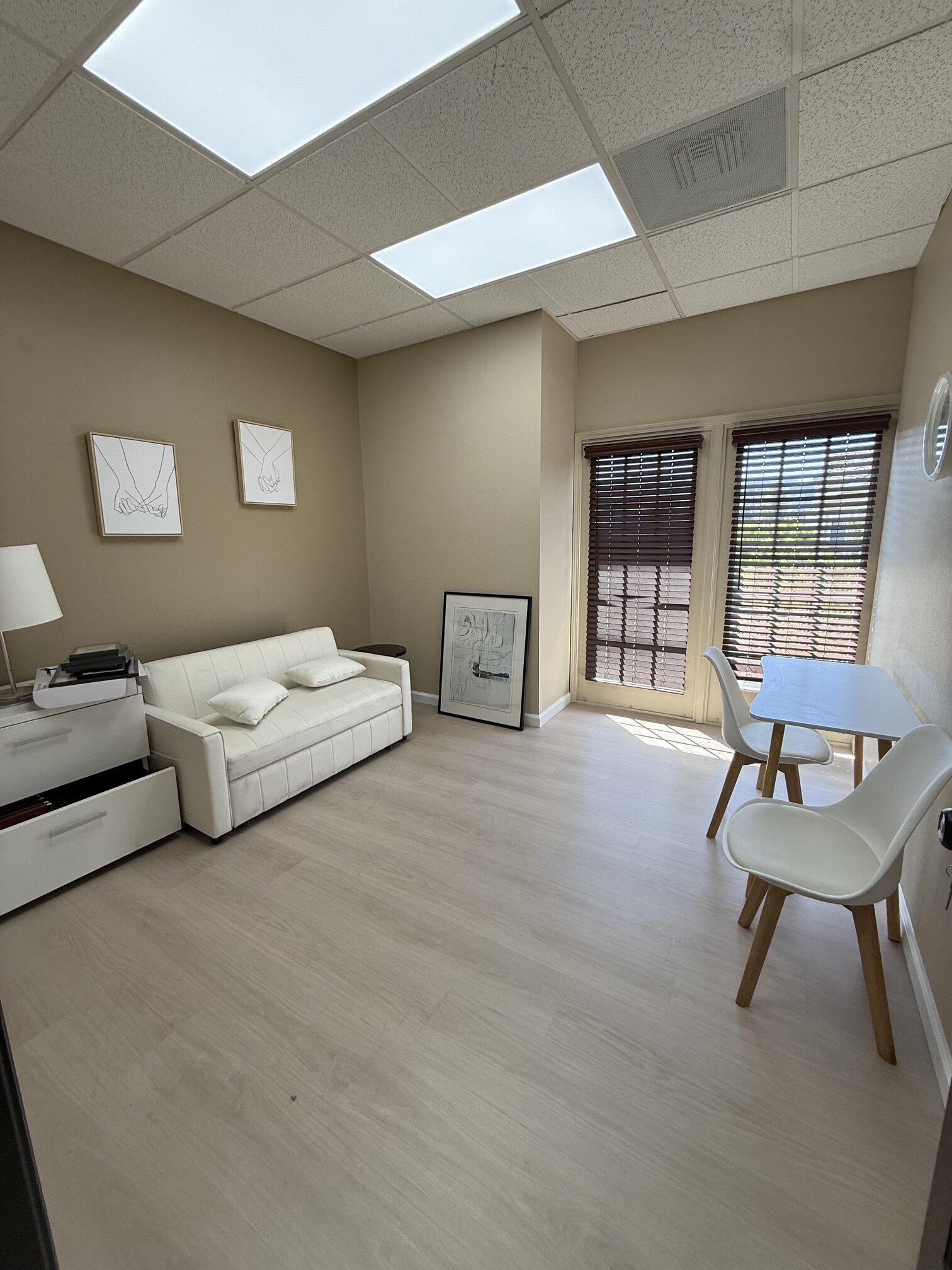
When I started designing Heal Hub, I had one rule for every decision. Would this protect a client’s dignity, or compromise it? When the honest answer was “compromise,” we chose the other option, even when the other option cost more. The result is a five-room clinical workspace on Stevens Creek Boulevard, minutes from Apple Park, built around the practitioners and clients who actually use it.
Soundproofing isn’t a feature, it’s the foundation
Every consultation room at Heal Hub is fully acoustically insulated. I’ve sat in the corridor while a session was in progress behind a closed door and heard nothing. Not voices. Not tones. Nothing. That one architectural decision changes how present a clinician can be with their client, and how protected the client feels from the moment they sit down. Soundproofing at Heal Hub is the baseline every room shares.
Two entrances, no awkward encounters
Heal Hub uses a separate, discreet client entrance with a private waiting lounge that isn’t visible from the street or other tenants. As a psychiatrist, I’ve seen too many clients spot someone they recognised in a shared lobby and visibly reset their nervous system before our session even began. We designed Heal Hub so that doesn’t happen here.
A multidisciplinary referral community
Heal Hub members come from across the full health and wellness spectrum. Psychotherapists, psychiatrists, counsellors, speech and language therapists, paediatric specialists, dieticians, occupational therapists, and physiotherapists. At Growing Minds, I refer constantly. To physiotherapists for clients with somatic symptoms. To dieticians for clients managing eating concerns alongside depression. To paediatric specialists for the children of our adult clients. Having those colleagues in the same building closes referral gaps that the broader Cupertino health system rarely closes well on its own.
How Growing Minds Uses Heal Hub Day-to-Day
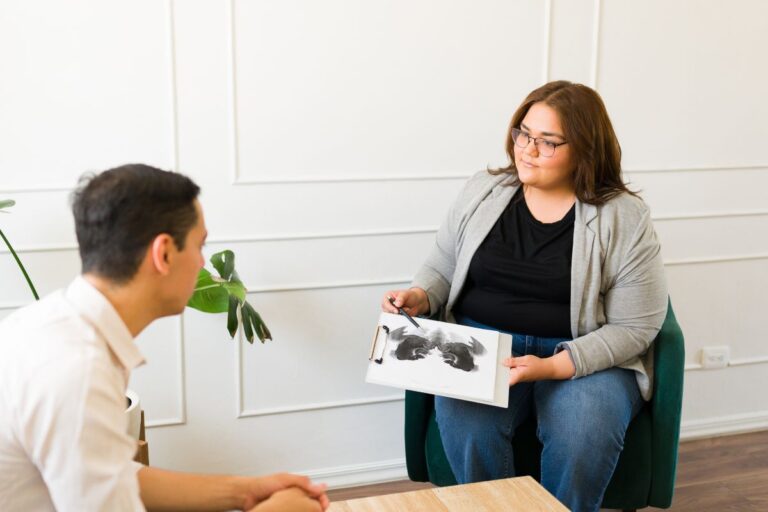
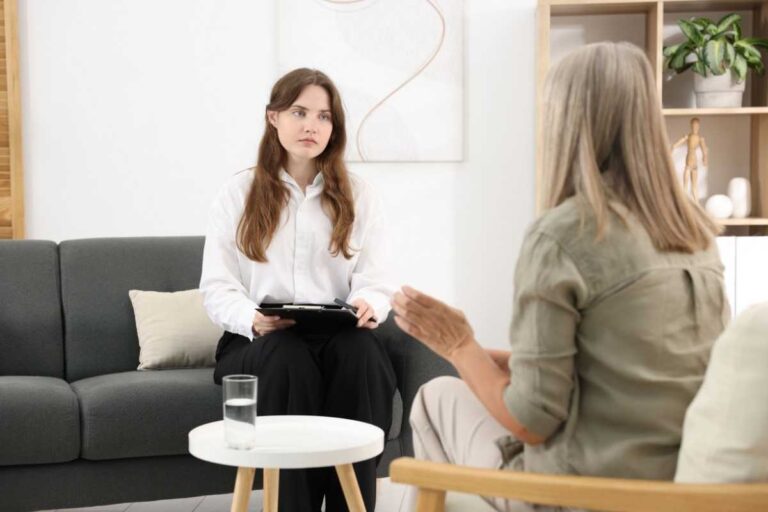
For my own Growing Minds caseload, Heal Hub is where in-person psychiatric consultations happen. The room is consistent. The acoustics protect what gets said inside it. Clients who haven’t been to therapy or psychiatry before don’t walk into something that announces “clinic.” First-time clients have told me the lounge alone lowered their anticipatory anxiety enough that the actual session started ten minutes earlier, emotionally, than it would have anywhere else I’ve practised.
The practical advantages add up too. Secure on-site document storage for the paperwork that can’t live in the cloud. A stable professional business address. Full HIPAA-aligned architecture, so I’m never carrying the cognitive load of wondering whether the room itself is putting my licence at risk. Daily cleaning. A practitioner-only lounge that is separate from the client waiting area, so I’m not making small talk with someone else’s client between sessions of my own.
A Workspace for the Way Modern Mental Health Practice Actually Runs
Most clinicians I know now run hybrid practice. Some sessions telehealth, some in-person, the ratio shifting from month to month. A traditional long-term lease made no sense for the in-person portion of my Growing Minds caseload. I would have been paying for an empty room three days a week. Heal Hub’s membership model is the rare middle path that fits the way hybrid practice actually moves. Flexible by-the-hour booking. A stable professional address for business registration. And, most importantly for me as a psychiatrist, full HIPAA-aligned architecture so the ethical baseline is never something we’re negotiating.
Members pay for what they actually use. No empty room sitting idle on telehealth days. No five-year commitment that doesn’t match how a caseload grows or contracts through the year. For any clinician weighing options for a private therapy office space in Cupertino who isn’t ready for a conventional lease, the membership model is worth a serious look. Membership starts at $55/month and $45 of which returns as booking credits.
Finding Your Own Private Therapy Office Space in Cupertino
If you’re a mental health practitioner, allied health professional, or wellness coach weighing your options for a private therapy office space in Cupertino, the questions worth asking any building are the ones I wish more landlords could answer honestly. Can you genuinely not hear through the walls? Is there a separate client entrance? Does the lease structure match how your caseload actually moves through the year? Is the building accessible to clients with mobility or sensory needs? Does the space offer a community of fellow clinicians, or just a locked room and an empty hallway?
EUDA Heal Hub was built because the answers needed to be yes. It’s where I see my Growing Minds clients. It’s the answer I now offer colleagues when they ask the same question I once couldn’t answer myself. The right private therapy office space in Cupertino shouldn’t force you to compromise on cost, privacy, or dignity. I built Heal Hub specifically so it doesn’t.
If you’d like to see the space, you can book a 15-minute tour of EUDA Heal Hub on Stevens Creek Boulevard. If you’d prefer to talk first about whether it’s the right fit for your practice, you’re welcome to reach out to me through admin@growingmindsmhs.com. I’m happy to share what I learned designing the space and to walk you through it personally.