
Using Conflict Resolution for Improved Mental Health
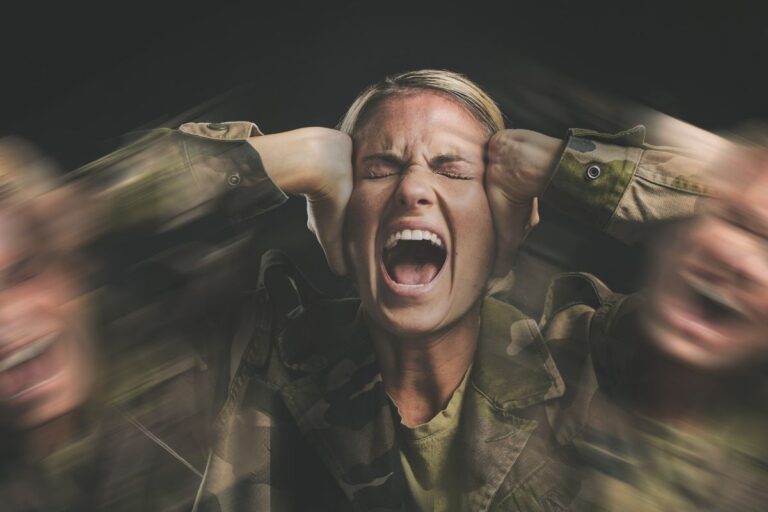
Life inevitably presents us with “battles,” ranging from minor misunderstandings with a partner to deep-seated family disputes. These constant conflicts are more than just frustrating—they are a major drain on your emotional well-being, fueling stress, anxiety, and a feeling of isolation.
The good news is that the key to transforming conflict into connection isn’t about avoiding arguments; it’s about learning the powerful, constructive skills to navigate them. Psychotherapy offers a focused, evidence-based toolkit for mastering conflict, directly addressing your ability to manage disputes, which is intrinsically tied to your emotional health.
The Hidden Cost of Unresolved Conflict and Using Conflict Resolution for Improved Mental Health
When conflicts are left unaddressed or are managed poorly, they become a corrosive force on your mental health. This is the “unseen impact” that effective psychotherapy is designed to tackle.
| Unresolved Conflict Leads To | How Psychotherapy Helps |
| Chronic Stress & Anxiety | Provides tools for Emotional Regulation (like mindfulness techniques) to help you stay calm and rational when tensions rise. |
| Erosion of Trust | Guides you through Reflection and Validation, helping you rebuild safety and respect in your relationships. |
| Feelings of Isolation | Fosters Open Communication and self-expression, reducing feelings of isolation and increasing vulnerability. |
| Resentment & Emotional Fatigue | Shifts the focus from “winning” to Collaborative Problem-Solving to find satisfying, lasting resolutions. |
By learning to address conflicts early, you stop minor disagreements from becoming major psychological stressors. The focus of using conflict resolution for improved mental health is creating a stronger, more supportive environment.
Mastering the Art of Communication to Start Using Conflict Resolution for Improved Mental Health
Conflict often begins not with the issue itself, but with the way we talk about it—or fail to talk about it. Psychotherapy helps upgrade your communication from reactive to constructive.
1. The Power of “I” Statements
Instead of attacking or blaming, the focus shifts to expressing your needs and feelings clearly and assertively. This is a core technique in using conflict resolution for improved mental health.
- Instead of: “You are always late and inconsiderate”.
- Try: “I feel undervalued when you are late to our plans because I need reliability”.
2. Active Listening
Active listening is about listening to understand, not just hearing. Therapists teach you how to fully engage and validate the other person’s perspective, which instantly diffuses tension and creates psychological safety.
De-escalation and Emotional Safety: A Key Step in Using Conflict Resolution for Improved Mental Health
Acute conflict situations can be terrifying and overwhelming. Psychotherapy offers essential self-care and de-escalation techniques:
- Taking a Timeout: Learning to recognize when you are getting overwhelmed and asking for a calm pause is an essential self-care technique that prevents conflicts from escalating aggressively. This ensures you respond thoughtfully rather than react impulsively.
- Boundary Setting: This helps you define what counts as acceptable behavior when managing conflict, giving you the skills to prioritize your well-being.
A Case Study on Using Conflict Resolution for Improved Mental Health
A couple, Sarah and Michael, sought therapy after their frequent, escalating arguments led to emotional distance and communication breakdown. Their situation was a classic Pursuer-Withdrawer Cycle:
- Sarah (The Pursuer): Escalated arguments, often raising her voice, seeking validation. This was an unconscious replication of the loud, intense conflict style she witnessed in her childhood.
- Michael (The Withdrawer): Became silent and avoided conversation, seeking safety and respect (feeling attacked). He learned to shut down as a protective reflex because his family avoided conflict entirely.
The key to their success in using conflict resolution for improved mental health was realizing their behaviors were ingrained, protective reflexes, not deliberate attacks.
The therapeutic intervention focused on:
- Deconstructing the Cycle: Implementing Timeouts with self-soothing components (e.g., journaling, deep breathing) to regulate emotions.
- Communication Skills: Mastering “I” statements to communicate needs non-accusatorily, and having Michael practice Active Listening and validation to provide Sarah with the validation she sought, reducing her need to pursue.
By breaking these generational cycles, they not only reduced the frequency of arguments but also established a new, healthy communication legacy for their children.
Transforming Relationships with Conflict Mastery
The ultimate goal of using conflict resolution for improved mental health is not to become conflict-free. The process, often called Peacemaking, is about using disagreements as opportunities for growth and deeper connection, fostering understanding and trust. When you learn to respect different viewpoints, you rebuild stronger bonds and achieve a more peaceful life.
Ready to Turn Battles into Bridges?
If you are tired of tension, anxiety, and the same arguments cycling through your life—whether they are relationship challenges, workplace clashes, or family disagreements—psychotherapy is your solution. Don’t let conflict manage you. Learn to master your conflicts and invest in your peace of mind. Call us today for a confidential consultation.