A Guide to Postpartum Depression Treatments: Understanding Your Path to Healing
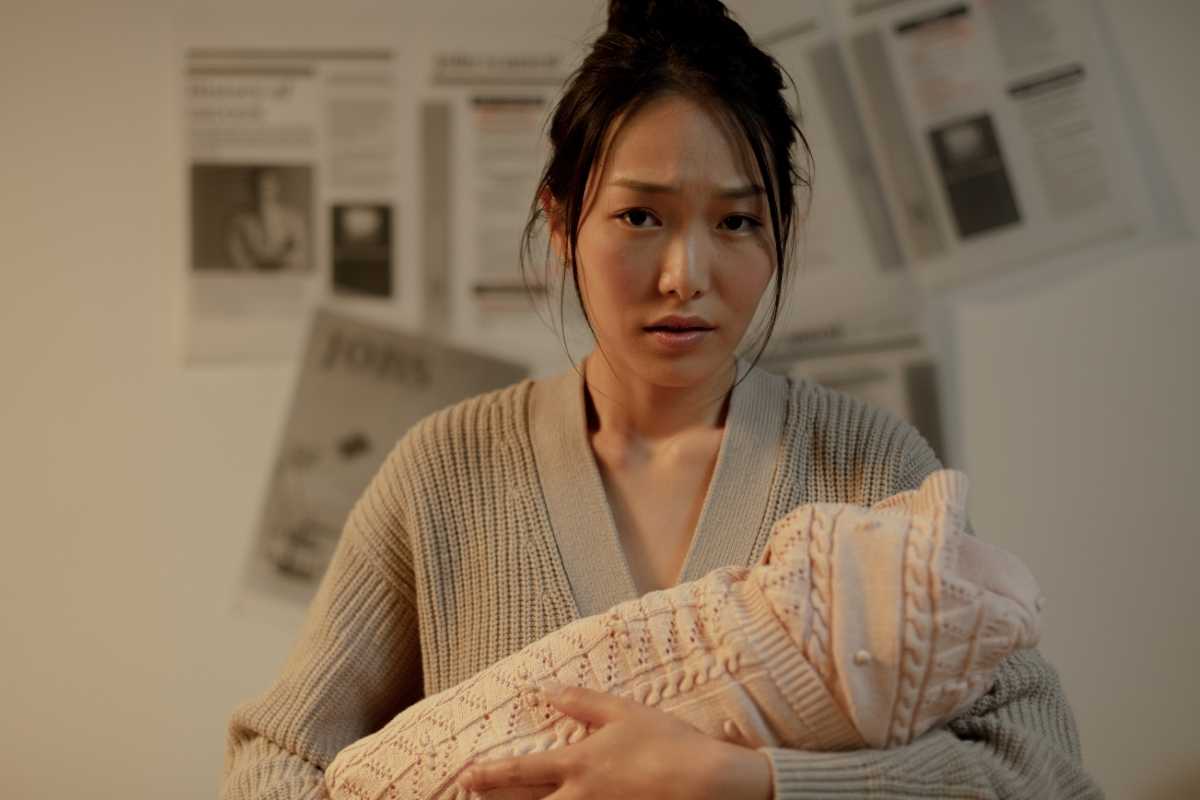
Welcoming a new baby is often described as a time of pure joy, but for many parents, the reality is far more complex. If you are feeling overwhelmed, persistently sad, or disconnected, you aren’t alone—and you aren’t failing. Postpartum depression (PPD) affects approximately 1 in 7 new mothers. The most important thing to know is that it is a medical condition, not a character flaw, and effective postpartum depression treatments are available to help you feel like yourself again.
At Growing Minds Mental Health Services, we believe that maternal mental health is the foundation of a healthy family.
Why Seeking PPD Treatments Matters Early
Postpartum depression is more intense and longer-lasting than the “baby blues.” While the baby blues typically fade within two weeks, PPD can persist for months if left untreated. Seeking postpartum depression treatments early is crucial because it helps:
- Strengthen the bond between parent and child.
- Reduce the risk of long-term anxiety or chronic depression.
- Improve the overall quality of life for the entire household.
Evidence-Based Postpartum Depression Treatments
There is no “one-size-fits-all” approach to recovery. Depending on the severity of symptoms and your personal history, healthcare providers typically recommend a combination of the following postpartum depression treatments:
1. Psychotherapy and Counseling
Talk therapy is often the first line of defense. Cognitive Behavioral Therapy (CBT) and Interpersonal Therapy (IPT) are highly effective postpartum depression treatments. These sessions provide a safe space to process the massive life transition of parenthood, manage intrusive thoughts, and develop coping strategies.
2. Medication Management
For many, medication is a vital component of postpartum depression treatments. Antidepressants, such as Selective Serotonin Reuptake Inhibitors (SSRIs), are commonly prescribed. Modern medicine also offers FDA-approved treatments specifically designed for PPD, such as brexanolone or zuranolone, which target hormonal shifts more directly.
3. Support Groups and Peer Connection
Isolation fuels depression. Engaging in support groups as part of your PPD treatments allows you to connect with other parents navigating similar challenges, reminding you that your experience is shared and valid.
Holistic Approaches in Postpartum Depression Treatments
While clinical interventions are primary, lifestyle adjustments can support the clinical side of postpartum depression treatments:
- Nutritional Support: Omega-3 fatty acids and a balanced diet can influence mood regulation.
- Restorative Sleep: While difficult with a newborn, coordinating “sleep shifts” with a partner or helper is essential for brain health.
- Gentle Movement: Exercise, when cleared by a doctor, releases endorphins that naturally boost mood.
How to Start Postpartum Depression Treatments Today
If you suspect you are struggling, the first step is reaching out to a professional. You don’t have to wait until you are in a crisis to seek help. Professional PPD treatments are designed to meet you exactly where you are, whether your symptoms are mild or severe.
Personalized Postpartum Depression Treatments at Growing Minds
At Growing Minds Mental Health Services, we specialize in reproductive and maternal mental health. We understand the unique pressures of raising a family in high-paced environments. We offer comprehensive, compassionate care tailored to your specific needs, ensuring you have the tools to thrive during your postpartum journey.
If you are looking for expert support and postpartum depression treatments in the San Francisco Bay Area in California, including Berkeley, Menlo Park, and Mountain View, our team is here for you. We provide a sanctuary for healing so you can focus on what matters most—your well-being and your family.